Curating Contemporary African Art for Modern Collectors
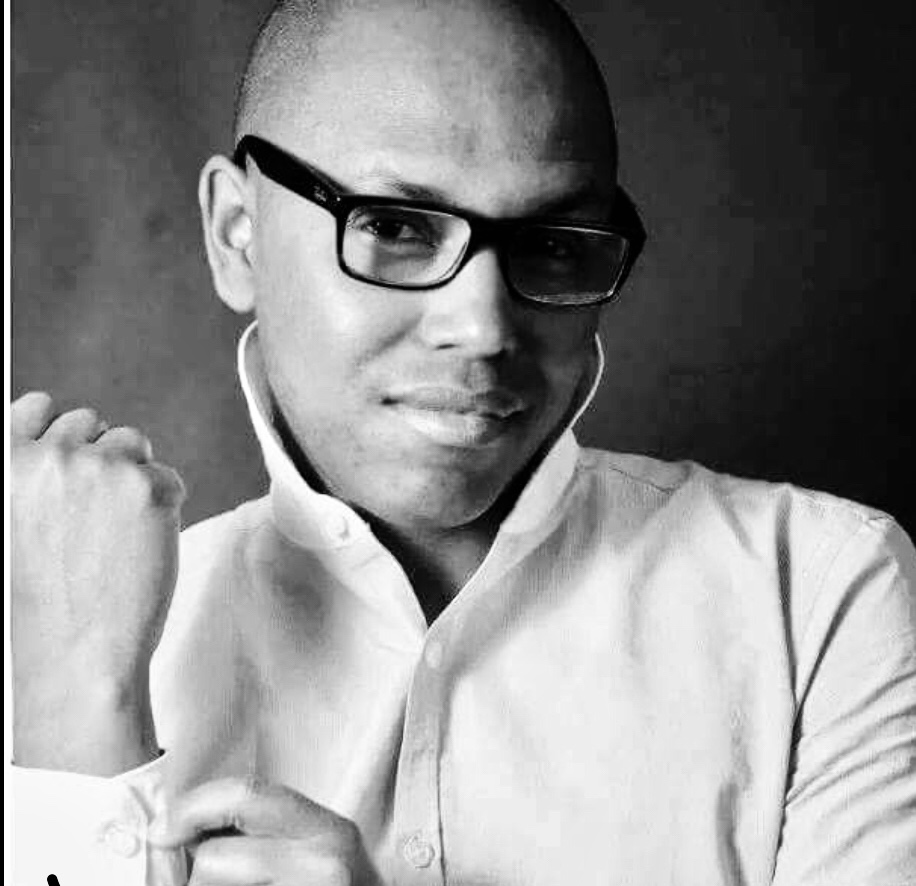

The art market is undergoing a seismic shift, moving away from Eurocentric traditions and embracing a vibrant global dialogue. At the epicenter of this transformation is the booming interest in contemporary African art. Collectors, galleries, and cultural communities are finally recognizing that the continent offers some of the most innovative, conceptually rigorous, and visually stunning works available today. Curating African Art for Modern Collectors requires more than a keen eye for aesthetics. It demands a deep appreciation for storytelling, cultural context, and historical continuity that defines this dynamic movement.
Understanding the Landscape of Contemporary African Art
The contemporary African art market has matured rapidly over the past decade. No longer viewed as a monolithic category or a passing trend, it represents a diverse multitude of artistic expressions spanning the diaspora and the continent itself. From the bustling studios of Lagos and Accra to the international galleries of London and New York, artists are challenging traditional boundaries. They are utilizing recycled materials, mixed media, and digital platforms to comment on identity, globalization, and socio-political realities.
When building a meaningful collection, you must look beyond surface beauty. The most compelling works often carry layers of narrative weight. This is particularly evident when examining literary and visual intersections in modern storytelling. For instance, my contemporary African art portfolio and my book Silence in the Garden of the Dead Flowers explore similar thematic territories of memory, loss, and resilience. Understanding these underlying narratives elevates a collection from a mere assembly of decorative objects to a cohesive museum-quality archive.
Key Strategies for Building Your Collection
Approaching acquisition with intention is crucial for both seasoned investors and novice art lovers. You need a structured framework to navigate this expanding market successfully. Here are several best practices to guide your journey:
- Research provenance and artist history to ensure authenticity and support ethical market growth.
- Engage directly with local galleries, artist residencies, and independent curators on the ground.
- Diversify your acquisitions across various mediums, including painting, sculpture, photography, and performance documentation.
- Attend major art fairs like 1-54 Contemporary African Art Fair to observe market trends and discover emerging talent.
Evaluating Quality and Authenticity in Acquisitions
Navigating the nuances of authenticity requires vigilance and education. The global demand for works from the continent has unfortunately spawned counterfeit pieces and predatory gallery practices. Establishing direct relationships with reputable primary market galleries remains the safest path for collectors. These institutions often work closely with the artists, ensuring that provenance is meticulously documented and fair compensation reaches the creators.
Furthermore, condition reporting is paramount, especially for mixed-media works and unconventional installations. Modern materials degrade differently over time, requiring specialized conservation knowledge. Consulting with independent art advisors who specialize in the region can save collectors from costly missteps. It also ensures that your acquisitions maintain or appreciate in financial and cultural value over the long term.
Integrating Narrative and Visual Arts in Modern Spaces
Displaying contemporary African art in domestic or corporate environments involves thoughtful spatial design. These works demand breathing room and appropriate lighting to reveal their textural complexities. Rather than treating art as an afterthought, modern collectors are designing spaces around central statement pieces. This approach honors the artist's original intent and creates an immersive experience for viewers.
Storytelling plays a vital role in this integration. When you understand the cultural roots and personal narratives behind each piece, your home transforms into a gallery of lived experiences. Guests become engaged in dialogues about the work, shifting the function of art from passive decoration to active catalyst for cultural exchange and intellectual curiosity.
Frequently Asked Questions
How do I start collecting contemporary African art on a modest budget?
Begin by exploring editions, prints, and works on paper by emerging artists through reputable online platforms and local galleries. Supporting artists at the start of their careers allows you to grow alongside them while keeping initial investments manageable.
What are the best ways to verify the authenticity of a contemporary African artwork?
Always request a certificate of authenticity directly from the primary gallery representing the artist. Research the exhibition history and ensure the provenance is clearly documented by trusted industry professionals.
Why is cultural context important when curating art from the African continent?
Contemporary African art is deeply rooted in specific historical, social, and political narratives that inform the visual language. Understanding this context prevents misinterpretation and deepens your appreciation of the artist's conceptual framework.
Where can I discover emerging artists from Africa and its diaspora?
Attend specialized art fairs like 1-54, follow independent curators on digital platforms, and monitor residencies across major cultural hubs like Dakar, Johannesburg, and Nairobi.
Conclusion
Curating contemporary African art is an enriching journey that bridges cultures, preserves histories, and champions bold new visions. By prioritizing research, ethical acquisition, and deep narrative engagement, you can build a collection that resonates with both personal meaning and global significance. The art market will continue to evolve, but the power of authentic storytelling remains constant. Take the first step today by exploring new portfolios, visiting local galleries, and letting the vibrant world of contemporary African art transform your understanding of modern aesthetics and human experience.


Comments